Pest Work We Travel Out to Do in Pharr
Pharr runs on its produce-and-trucking bridge economy. We travel out from Brownsville to serve it, and the crossing is the key to its pests.
The produce-gateway character comes first
Pharr is defined by its international bridge and the produce-and-trucking economy around it, one of the busiest commercial crossings in the region, moving enormous volumes of fresh produce and freight. We travel out to Pharr from 3144 Boca Chica Blvd in Brownsville, about an hour away, with no office in the city and no crew based there. The crossing economy, more than climate alone, makes Pharr's pest picture distinctive among Valley towns.
The reach from Brownsville is a shorter run than the western towns but still genuine travel-out service, scheduled with the drive accounted for rather than disguised as a local branch. What sets Pharr apart from a typical residential city is that its defining feature, the produce-and-trucking bridge, is not background economy but the direct source of a continuous pest-introduction pathway ordinary towns do not have, and that changes how a plan here has to be built.
Why freight and produce drive reintroduction
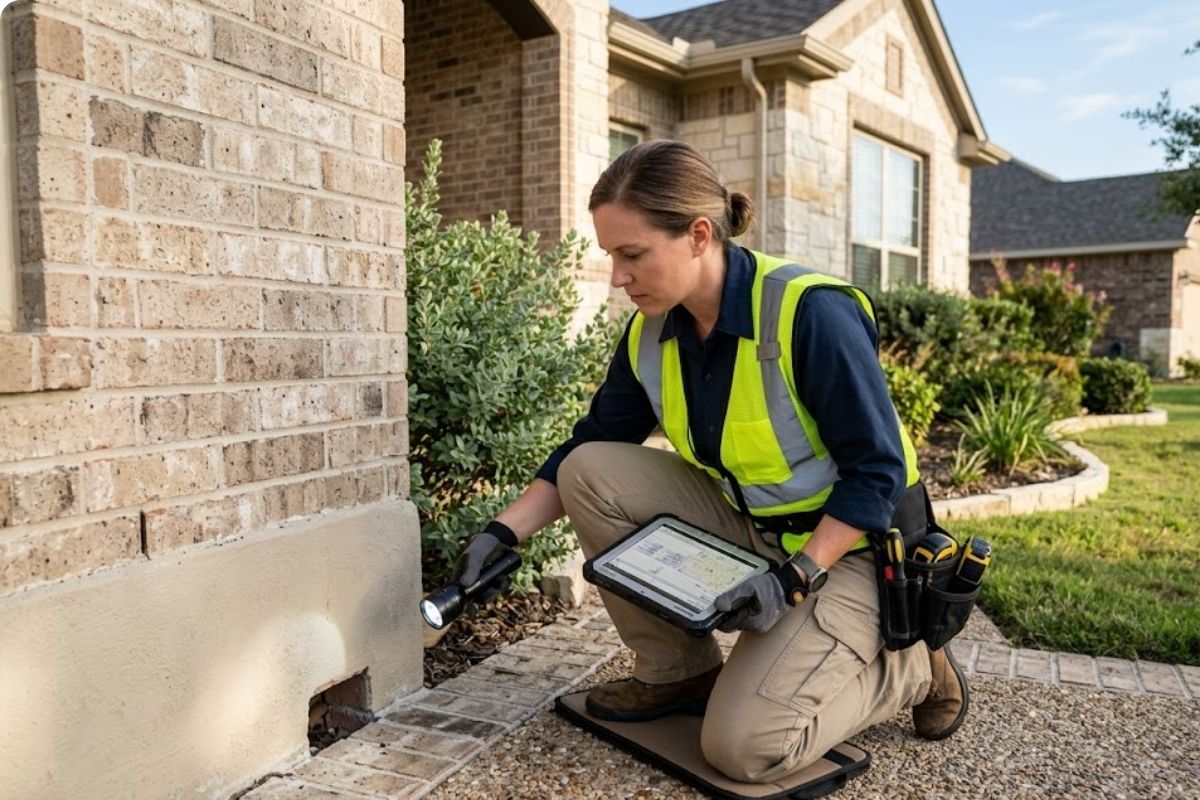
High-volume produce and cargo handling is a textbook pathway for hitchhiking pests, and it is worth being concrete about the mechanism. Produce arrives in volume on pallets and in packaging that have already traveled; warehousing and distribution concentrate that material in one place; and German roaches and rodents move with it into and between the commercial structures handling it. For a distribution-adjacent Pharr property the population is therefore not only what breeds on site but what keeps arriving through normal operations.
That changes the control logic. A one-time treatment of a distribution-adjacent property is frequently temporary, because the throughput keeps resupplying it regardless of how thorough the single visit was. The honest approach for those properties is recurring, pathway-aware protection rather than a lone knockdown, with the explicit understanding that the freight pathway does not pause and the plan has to account for arrival, not just resident breeding.
The residential side and the constant climate base
Away from the crossing, residential Pharr carries the standard mid-Valley pattern. Older neighborhoods combine original construction and slab-soil contact that favor subterranean termites and give roaches and rodents accessible routes, while newer subdivisions shift the emphasis to fire ants in graded clay-loam yards and irrigation-fed mosquitoes. The two need different reads even within the same city.
Beneath all of it sits the Valley's no-winter-knockback climate, so whatever the driver, Pharr's pests are a twelve-month condition rather than a seasonal one. The crossing concentrates and resupplies; the climate guarantees none of it genuinely stops. That combination is why a maintained rhythm consistently outperforms a single distant visit here, and we frame the coverage that way honestly.
It is worth being specific about why the residential and commercial sides cannot share one plan. A crossing-adjacent warehouse needs a pathway-aware program that assumes arrival on pallets and packaging and treats reintroduction as the baseline; an older residential block a mile away needs a structural read for termite-favorable slab contact and roach and rodent routes. Applying the warehouse logic to the home overspends on a problem it does not have, and applying the residential logic to the warehouse leaves the actual driver, throughput, untouched. The same city genuinely needs two different reads held at once.
Pest problem in Pharr? Call now.
Call (831) 703-7142 — Mon–Sat 7AM–7PM. No forms, just a real local team.
Call (831) 703-7142Scheduling a trip, and the towns alongside it we serve
As travel-out service, Pharr coverage starts with a call that scopes the work and schedules it with the drive accounted for. The first practical question is which side of the city the property is on, the crossing-and-distribution side, where reintroduction dominates and pathway-aware recurring work leads, or the residential side, where the standard mid-Valley structural and yard patterns apply. That single distinction reorders the plan, so it is the most useful thing a caller can specify.
On the same run we also reach McAllen, San Juan, and Edinburg, so a problem spanning those communities is handled efficiently rather than fragmented. We work Monday through Saturday, 7AM to 7PM, and where a covered pest returns between scheduled visits in this extended area, the team returns and treats it again with no added cost. Given the distance and the no-winter climate, we are direct that recurring coverage outperforms a lone trip rather than implying otherwise. Call (831) 703-7142, say whether the Pharr property is near the crossing or residential, and we will scope it accordingly.
Frequently Asked Questions
We travel out from Brownsville, about an hour away, with no office in Pharr and no crew based there. It is genuine extended-area coverage with the travel stated plainly.
High-volume produce and cargo handling moves rodents and German cockroaches through pallets, packaging, and trucking, so crossing-adjacent commercial properties face arrival through normal operations, not just local breeding.
The produce and freight throughput keeps resupplying pests, so a single treatment of a distribution-adjacent property is frequently temporary. The honest approach is recurring, pathway-aware protection.
Yes. Away from the crossing it carries the mid-Valley pattern, older neighborhoods with structural termite and roach vulnerability and newer subdivisions with fire-ant and irrigation-fed mosquito pressure.
On the same run we also reach McAllen, San Juan, and Edinburg, so a problem spanning those communities is handled efficiently rather than fragmented.
Where a covered pest returns between scheduled visits in this extended area, the team returns and treats it again with no added cost. Call (831) 703-7142 and we will scope the Pharr property accordingly.