Pest Service We Bring Out to Sebastian
Sebastian is a small unincorporated farm community in Willacy County, more a cluster of farm properties than a town. We drive out from Brownsville and are clear about that.
An unincorporated farm cluster we reach on a drive out
Sebastian is a small unincorporated community in agricultural Willacy County near US-77, more a cluster of homes and farm properties than a town with a defined center. We drive out to Sebastian from 3144 Boca Chica Blvd in Brownsville, around fifty-five minutes, with no office there and no stationed crew. Its unincorporated, dispersed rural character is the most useful lens on its pests, and the distance is handled the same honest way as any travel-out location, built into the scheduling conversation rather than disguised as a local presence.
Sebastian's distinguishing trait is being unincorporated and dispersed, larger lots and farm properties rather than dense streets, which makes its pest work a whole-property rural matter rather than a town-lot one. The booking call scopes a Sebastian trip so one visit covers the whole property, since the distance does not support short return runs to close gaps afterward.
Stating that plainly is the point: it is real coverage of a small rural community just under an hour out, scheduled around the drive, not a local presence implied by a softer phrasing.
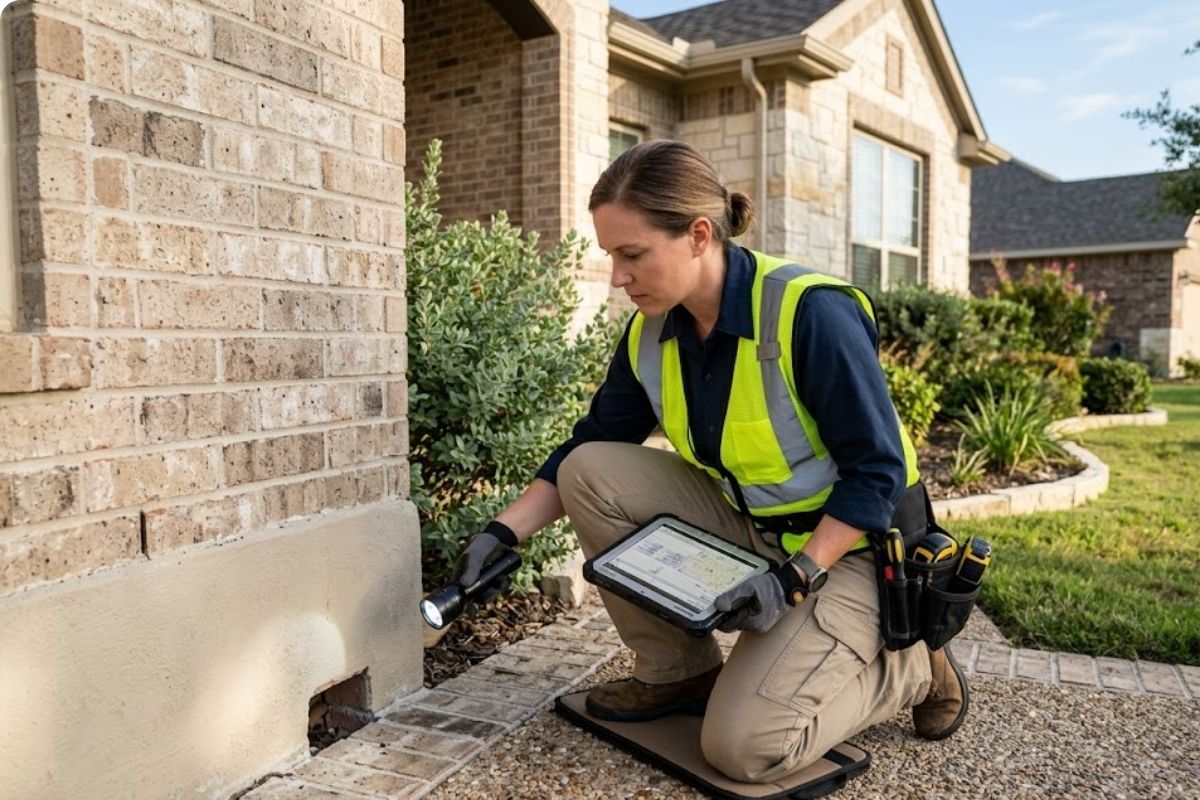
Rural lots, outbuildings, and field edges, taken together
The agricultural surroundings drive the pattern, and on dispersed rural properties the structure is rarely the whole story. Harvest and field turnover push rodents toward the nearest structures, and the outbuildings, sheds and equipment storage, often act as the staging ground from which rodents reach the home, so treating the house alone tends to leave the source running. Fire ants thrive in the clay-loam of field-edge yards and rebuild after each irrigation and rain cycle, irrigation and field water sustain mosquitoes on a watering schedule rather than a rainfall one, and brush-adjacent ground carries the documented kissing-bug presence of South Texas brushland, assessed factually rather than as general alarm.
Properties on well and septic add moisture points that draw pests differently than municipal-service housing would. On the no-winter-knockback climate, this rural pressure does not pause seasonally, so a maintained whole-property approach generally fits better than a single visit, and the reason is structural rather than promotional: with the field edge, the outbuildings, and the well-and-septic points all working at once, the relevant unit for an effective plan is the whole property, not just the house.
The dispersed layout is itself part of the problem. On a property where the house, a barn, a shed, and an equipment area sit across a larger lot, rodents and insects have multiple harborage points and travel routes a compact town lot would not offer, so an effective plan reads the property as a system, where the sources are, how pests move between them, and which structure is actually feeding the others, rather than treating the house as if it stood alone.
One practical consequence is that an effective Sebastian visit usually walks the lot, not just the rooms: the route a rodent takes from a field edge through a shed to the house is something you read on the ground, and missing the middle of that chain is the most common reason a rural property keeps seeing the same problem after a structure-only treatment.
Pest problem in Sebastian? Call now.
Call (831) 703-7142 — Mon–Sat 7AM–7PM. No forms, just a real local team.
Call (831) 703-7142Scheduling Sebastian, plus Lyford, Raymondville and Lasara
As travel-out service, Sebastian coverage starts with a call that scopes the whole property, home, outbuildings, and field edge, and schedules it honestly around the drive. The most useful detail a caller can give is whether outbuildings are in play and how close the property sits to worked fields, because the staging-ground dynamic is exactly what a structure-only read misses.
On the same Willacy County run we also reach Lyford, Raymondville, and Lasara, so a problem spanning those communities is handled efficiently rather than fragmented across separate trips. We work Monday through Saturday, 7AM to 7PM, and should a covered pest reappear between scheduled visits in this extended area, the follow-up treatment is provided at no charge. As at every travel-out location, the no-winter climate means a maintained rhythm holds where a single distant visit does not, said plainly rather than as local service. Call (831) 703-7142 and describe the Sebastian property and its outbuildings.
Because the climate offers no seasonal reset, the recurring point here is structural rather than promotional: the rural sources keep working year-round, so a maintained Sebastian rhythm holds where a single distant trip does not.
Nearby areas we also serve
Frequently Asked Questions
We drive out from Brownsville, around fifty-five minutes away, with no office there and no stationed crew. The Sebastian coverage is real, with the travel stated plainly up front.
It is an unincorporated farm community of larger lots and farm properties rather than dense streets, so the home, outbuildings, and field edge all matter rather than just a town lot.
Yes. On dispersed rural properties, sheds and equipment storage often act as the staging ground from which rodents reach the home, so treating the house alone tends to leave the source running.
South Texas brushland carries a documented kissing-bug presence, so where a Sebastian property backs onto brush we evaluate it matter-of-factly during service rather than as a townwide alarm.
On the same Willacy County run we also reach Lyford, Raymondville, and Lasara, so a problem spanning those communities is handled efficiently rather than fragmented.
Should a covered pest reappear between scheduled visits in this extended area, the follow-up treatment is provided at no charge. Call (831) 703-7142 and describe the property and its outbuildings.