Pest Control Serving South Padre Island
On a barrier island built around vacation rentals, the single biggest pest driver isn't the climate, it's the constant churn of guests and their luggage.
Turnover is the engine here
South Padre Island runs on visitors. The condos and beach houses along Padre Boulevard and the Gulf Boulevard rental strip turn over constantly, week to week and often faster in peak season. That churn, not just the subtropical climate, is the defining pest driver on the island, because high guest turnover is the textbook route for bed bugs: they ride in on luggage, bags, and belongings from everywhere those guests came from, and a property's cleanliness does almost nothing to stop it.
Around South Padre Island we typically see bed bug pressure that tracks occupancy and turnover rather than season. A unit can be immaculate and still receive bed bugs with the next arrival, which is why island rental properties are some of the most turnover-exposed in the whole service area and need to be thought about as a continuous reintroduction problem, not a one-time event.
Why the island spreads it between units
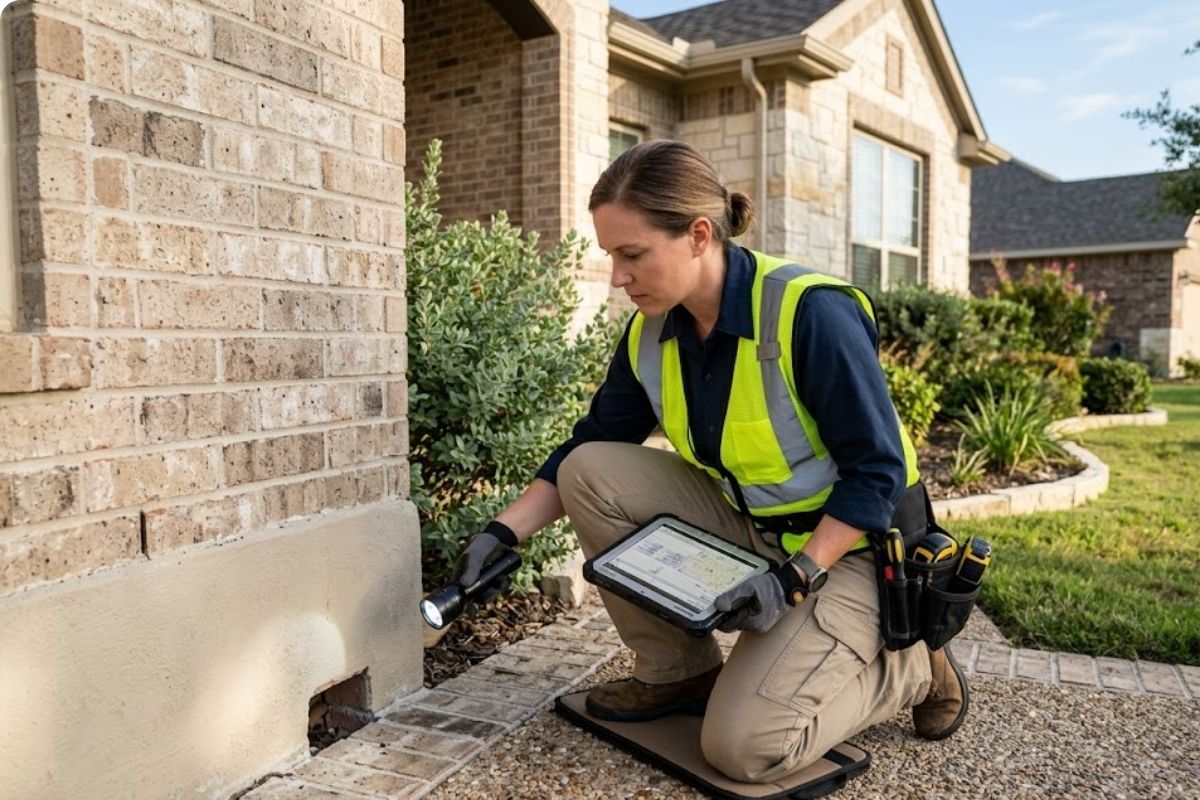
The island's building stock compounds the turnover problem. Much of the rental inventory is multi-unit, condos and complexes where units share walls, plumbing chases, and connecting pathways. Bed bugs introduced into one unit by a guest do not stay contained; they travel structurally into adjoining units, which is why an island infestation is so often a building problem rather than a single-unit one.
The practical consequence for an owner or manager is that treating one affected unit while ignoring the adjoining ones is predictably temporary on South Padre. The honest approach maps how far the problem has spread across the structure first, because the layout that makes island rentals profitable is the same layout that lets a single introduction become a multi-unit infestation.
The dune-and-wetland side of it
Beyond turnover, the island's natural environment adds its own pressure. The dune system and the bay-side wetland and flats hold moisture and brackish standing water that breed mosquitoes and sustain salt-air humidity year-round, and with no real winter on the island that activity does not pause. Properties closer to the dune line, the flats, or undeveloped lots see more of this outdoor pressure than units in the developed core.
So a South Padre property actually has two pest stories at once: the turnover-driven indoor problem that follows guests, and the dune-and-wetland outdoor pressure that follows the island's geography. Which one dominates depends on the property, and effective treatment recognizes both rather than collapsing the island into a single generic beach profile.
Pest problem in South Padre Island? Call now.
Call (831) 703-7142 — Mon–Sat 7AM–7PM. No forms, just a real local team.
Call (831) 703-7142How treatment is shaped for the island
Island work is built around these realities. For turnover-driven bed bugs, the emphasis is mapping spread across the structure and choosing between targeted and heat approaches based on infestation level and how many units are involved, then planning for the reintroduction that turnover guarantees rather than treating once and declaring it done. For the dune-and-wetland outdoor pressure, the emphasis is source reduction plus recurring treatment, since brackish standing water keeps producing regardless of an individual property's effort.
In our experience the island properties that stay manageable are the rentals handled on a recurring, structure-aware basis, because both the turnover and the wetland are continuous, not seasonal. A single visit cannot keep pace with either.
Serving South Padre Island and nearby towns
We are based in Brownsville at 3144 Boca Chica Blvd and serve South Padre Island as a core area, Monday through Saturday, 7AM to 7PM. The plan is matched to the property type, structure-aware bed bug work for condos and rental complexes, source-reduction and recurring treatment for dune-and-wetland-adjacent outdoor pressure.
We also regularly serve the nearby communities of Port Isabel, Laguna Vista, and Laguna Heights, which matters here because turnover-driven pests routinely move with guests and belongings between the island and the mainland bay towns. Any pest we have treated that comes back before your next scheduled visit is dealt with again at no charge. Call (831) 703-7142, tell us whether it is a rental-turnover situation or outdoor island pressure, and we will tell you honestly what keeping it controlled actually takes.
Nearby areas we also serve
Frequently Asked Questions
The island runs on constant vacation-rental turnover, and high guest turnover is the textbook bed bug route, they ride in on luggage and belongings from everywhere guests came from, and a property's cleanliness does almost nothing to stop it.
Yes, routinely. Island bed bug pressure tracks occupancy and turnover, not cleanliness or season, so an immaculate unit can still receive bed bugs with the next arrival, which is why it has to be treated as continuous reintroduction.
Much of the island's rental stock is multi-unit, with shared walls and plumbing. Bed bugs introduced by a guest travel structurally into adjoining units, so treating one unit while ignoring neighbors is predictably temporary, the spread has to be mapped first.
Yes. Properties closer to the dune line, the bay-side flats, or undeveloped lots see more mosquito and salt-air outdoor pressure, while turnover-driven indoor pressure follows the rental units. Which story dominates depends on the property.
We regularly serve nearby Port Isabel, Laguna Vista, and Laguna Heights in addition to South Padre Island, which matters because turnover-driven pests routinely move with guests between the island and the mainland bay towns.
Usually yes. Both the guest turnover and the dune-and-wetland pressure are continuous rather than seasonal, so a recurring, structure-aware plan keeps pace where a single visit cannot. A treated pest that returns before the next visit is handled again at no charge.